
Low Dose Naltrexone (LDN) for Reproductive Health: What the Research Shows

Low Dose Naltrexone (LDN) for Reproductive Health: What the Research Shows
By: Justina Chen
PharmD Candidate 2026
Prepared for the LDN Research Trust — Connect with Justina on LinkedIn
Low dose naltrexone (LDN) is best known as an off-label immunomodulator for conditions like Hashimoto’s, fibromyalgia, and Crohn’s disease. A growing body of research is now looking at a very different application: reproductive health. From ovulation induction in Canadian fertility clinics since the 1980s to a 2025 clinical study on recurrent implantation failure, LDN is emerging as a promising adjunct for patients navigating infertility.
⚠️ Off-Label Use Notice
LDN is not FDA-approved for infertility, ovulation induction, or recurrent implantation failure. It is discussed here as an off-label, prescriber-directed therapy used internationally and supported by emerging clinical research. This article is for educational purposes only and is not a substitute for individualized medical advice — talk to your prescriber before starting or changing any treatment.
Prefer to watch first? Here is Justina’s full presentation on LDN in reproductive health, prepared for the LDN Research Trust:
LDN Uses in Reproductive Health — presented by Justina Chen, PharmD Candidate 2026
What Is Low Dose Naltrexone?
Naltrexone is a pure opioid antagonist, FDA-approved at standard doses (25–100 mg) for moderate-to-severe alcohol use disorder and opioid use disorder. At those doses, it works primarily by blocking opioid receptors. At low doses (typically 0.5–4.5 mg), naltrexone behaves very differently — it produces a brief opioid blockade that triggers a compensatory rebound in the body’s own endorphin production, which in turn modulates inflammation and immune activity.
Standard Dose (25–100 mg)
FDA-approved for alcohol use disorder and opioid use disorder. Acts mainly as an opioid receptor blocker.
Low Dose (0.5–4.5 mg)
Used off-label as an immunomodulator — suppresses excessive immune response and inflammation.
Common side effects include vivid dreams, mild GI upset, headache, and insomnia, most of which improve with a slow “go low, go slow” titration. Patients must be opioid-free for 7–10 days before starting naltrexone, and it should be stopped at least 72 hours before any anticipated opioid use.
The Case for LDN in Reproductive Health
LDN is not FDA-approved for women’s reproductive health, but it has been used off-label internationally for decades:
- Fertility clinics in Canada have prescribed LDN since 1985 to help stimulate ovulation.
- Infertility is increasingly understood to involve altered immune function — a mechanism LDN is well-positioned to influence.
- Patients with hypothalamic ovarian dysfunction are a particular population of interest.
- Suppressing natural killer (NK) cell activity and modulating autoimmunity appears important for endometrial receptivity and successful embryo implantation.
Why Endometrial Thickness Matters
The endometrium is the mucosal lining of the uterus, and its thickness changes throughout the menstrual cycle in response to ovarian hormones. Adequate thickness is one of the clearest predictors of successful implantation.
7–10 mm
Thickness generally needed for successful implantation
Days 19–21
Point in the cycle when peak thickness typically occurs
<6 mm
A thin lining that is generally non-receptive to implantation
Implantation itself occurs 6–7 days after fertilization, at the blastocyst stage. This threshold is why endometrial thickness is one of the key outcomes researchers track when studying LDN’s effect on fertility.
Weight, Obesity & Fertility: The Metabolic Link
Obesity is a well-documented barrier to fertility, which has drawn research attention to weight-management therapies — including a naltrexone-containing combination medication — as an indirect route to improving reproductive outcomes.
FDA-approved weight-loss medications include GLP-1 receptor agonists (liraglutide, semaglutide), the dual GLP-1/GIP agonist tirzepatide, naltrexone/bupropion, phentermine/topiramate, and orlistat. Of these, naltrexone/bupropion is of particular interest given naltrexone’s dual role in this article.
🧪 Naltrexone/Bupropion Dosing Snapshot
Initial: 1 tablet (naltrexone 8 mg/bupropion 90 mg) once daily for 1 week, then titrated weekly up to a maximum of 4 tablets/day (naltrexone 32 mg/bupropion 360 mg). Clinical trials report roughly 6% weight loss after starting therapy; consider discontinuing if weight loss is under 4–5% of baseline after 3 months. Carries a boxed warning for suicidal thinking/behavior.
What the Evidence Says About Weight Loss and Fertility
A 2017 systematic review and meta-analysis (Best, Avenell & Bhattacharya) pooled 40 studies spanning 1966–2016, including 14 randomized controlled trials, to evaluate non-surgical weight-loss interventions in overweight and obese patients seeking fertility treatment.
| Finding | Result |
|---|---|
| Pregnancy likelihood with reduced-calorie diet + exercise vs. no intervention | Risk Ratio 1.59 (95% CI: 1.01–2.50) |
| Ovulation improvement | Improved with diet/exercise interventions |
| Miscarriage rate | Not significantly reduced by interventions |
Author’s conclusion: Patients benefit from education on the effects of excess weight and the value of weight reduction. A combination of a reduced-calorie diet and increased aerobic exercise is recommended, though the review noted a lack of randomized studies in men and couples, calling for more research in that direction.
New Clinical Evidence: LDN for Recurrent Implantation Failure
The most direct evidence for LDN in fertility comes from a 2025 study by Raffeq, Hamdy & Hammo, examining LDN’s impact on women with immunological infertility and recurrent implantation failure (RIF) — defined as failure to achieve clinical pregnancy after three or more embryo transfers.
| Setting | United Surgeons Fertility Center, Baghdad; January 2024 – January 2025 |
| Population | 350 women, ages 18–40, with RIF and immunological infertility |
| Treatment group | 175 women received LDN 4.5 mg once daily, starting 10 weeks before conception through the first 12 weeks of gestation |
| Control group | 175 women received no intervention |
| Primary outcomes tracked | Endometrial thickness, ovarian follicular response, immune markers, pelvic ultrasound findings (monthly) |
Average patient age was comparable between groups (about 32.5 ± 4.6 years). Endometrial thickness in the treatment group increased from 7.2 ± 1.0 mm to 9.8 ± 1.2 mm (p = 0.001) — moving a borderline-thin lining into the receptive range discussed above.
| Parameter | Correlation with LDN (r) | Interpretation |
|---|---|---|
| Endometrial thickness (mm) | +0.85 | Strong positive: LDN significantly increases endometrial thickness, crucial for embryo implantation |
| Ovarian response (follicles ≥18 mm) | +0.80 | Strong positive: LDN improves ovarian response via more mature follicles |
| Endometrial pattern (grade) | +0.75 | Moderate–strong positive: improved grade indicates better uterine receptivity |
| FSH (mIU/mL) | −0.05 | Very weak: no significant change after LDN treatment |
| LH (mIU/mL) | −0.05 | Very weak: little to no impact on LH levels |
| Estradiol (pg/mL) | +0.10 | Weak positive: modest increase, not substantial |
| Progesterone (ng/mL) | +0.90 | Very strong positive: significant increase, crucial for successful pregnancy |
| NK cells (%) | −0.75 | Strong negative: reduced NK cell activity is linked to improved implantation success |
| ANA (mIU/mL) | −0.60 | Moderate negative: reduced ANA contributes to a more favorable immune environment |
| APA (mIU/mL) | −0.10 | Very weak: little to no impact on APA levels |
| Pregnancy rate (%) | +0.80 | Strong positive: significantly increased pregnancy rates in women with RIF |
| Implantation rate (%) | +0.75 | Strong positive: improved embryo implantation success |
| Clinical pregnancy rate (%) | +0.70 | Moderate–strong positive: enhanced clinical pregnancy rates |
| Miscarriage rate (%) | −0.15 | Weak negative: slightly reduced miscarriage rate, not statistically significant |
FSH = follicle-stimulating hormone; LH = luteinizing hormone; NK = natural killer; ANA = antinuclear antibodies; APA = antiphospholipid antibodies.
Author’s conclusion: Patients with RIF who received LDN showed significant improvements in endometrial thickness, ovarian response, and endometrial pattern. Improved ovarian response was associated with more mature follicles, lending support to the idea that LDN may benefit egg quality and overall IVF success by improving immune function and the structural receptivity of the reproductive system.
Limitations: This is the first study of its kind, and the authors note that larger, more widespread studies are needed to verify these results and better understand the specific mechanisms behind LDN’s effect on immunity, endometrial receptivity, and ovarian function — including morphological and developmental changes.
Clinical Takeaways
- Immune modulation: Decreased NK cell activity and decreased ANA levels
- Hormonal support: Significant increase in progesterone
- Improved uterine environment: Enhanced endometrial thickness and pattern
- Clinical outcomes: Increased pregnancy rate, implantation rate, and clinical pregnancy rate, with a trend toward decreased miscarriage
- Weight & fertility: Diet and exercise interventions improve fertility outcomes in overweight and obese patients; naltrexone/bupropion may support weight management where appropriate
What’s Next for LDN in Fertility Care
LDN remains off-label for fertility, but international clinical use and emerging research suggest it may enhance reproductive outcomes through immune and endometrial pathways. Larger, multi-center studies are needed, along with further exploration of the specific immunologic and reproductive mechanisms behind LDN’s effects. Patients interested in LDN for reproductive health should discuss candidacy, dosing, and monitoring with a prescriber experienced in fertility care.
Quick Knowledge Check
What is the minimum time patients should be off opioids before starting naltrexone therapy?
What is the ideal endometrial thickness for successful embryo implantation?
True or False: Low dose naltrexone increases miscarriage rates in patients with immune deficiencies.
True or False: Progesterone levels have no impact on fertility and pregnancy.
References
- Naltrexone. In: Lexicomp Online. Hudson, OH: Wolters Kluwer Clinical Drug Information.
- Mayo Clinic. Naltrexone (oral route) [Internet]. Available from: https://www.mayoclinic.org/drugs-supplements/naltrexone-oral-route/description/drg-20068408
- Best D, Avenell A, Bhattacharya S. How effective are weight-loss interventions for improving fertility in women and men who are overweight or obese? A systematic review and meta-analysis of the evidence. Hum Reprod Update. 2017 Nov 1;23(6):681-705. doi: 10.1093/humupd/dmx027. PMID: 28961722.
- Duah J, Seifer DB. Medical therapy to treat obesity and optimize fertility in women of reproductive age: a narrative review. Reprod Biol Endocrinol. 2025 Jan 6;23(1):2. doi: 10.1186/s12958-024-01339-y. PMID: 39762910; PMCID: PMC11702155.
- Raffeq Z, Hamdy A, Hammo Z. The effect of low-dose naltrexone on immunological infertility in women with recurrent implantation failure. Reproductive Health of Woman. 2025. doi: 10.30841/2708-8731.6.2025.341017
- Contrave (naltrexone/bupropion) prescribing information. Available from: https://www.accessdata.fda.gov/drugsatfda_docs/label/2020/200063s015lbl.pdf
- Fertility & Midwifery. Low dose naltrexone therapy [Internet]. Available from: https://fertilityandmidwifery.com/low-dose-naltrexone-therapy/
Related Products
Compounded medications related to this article.
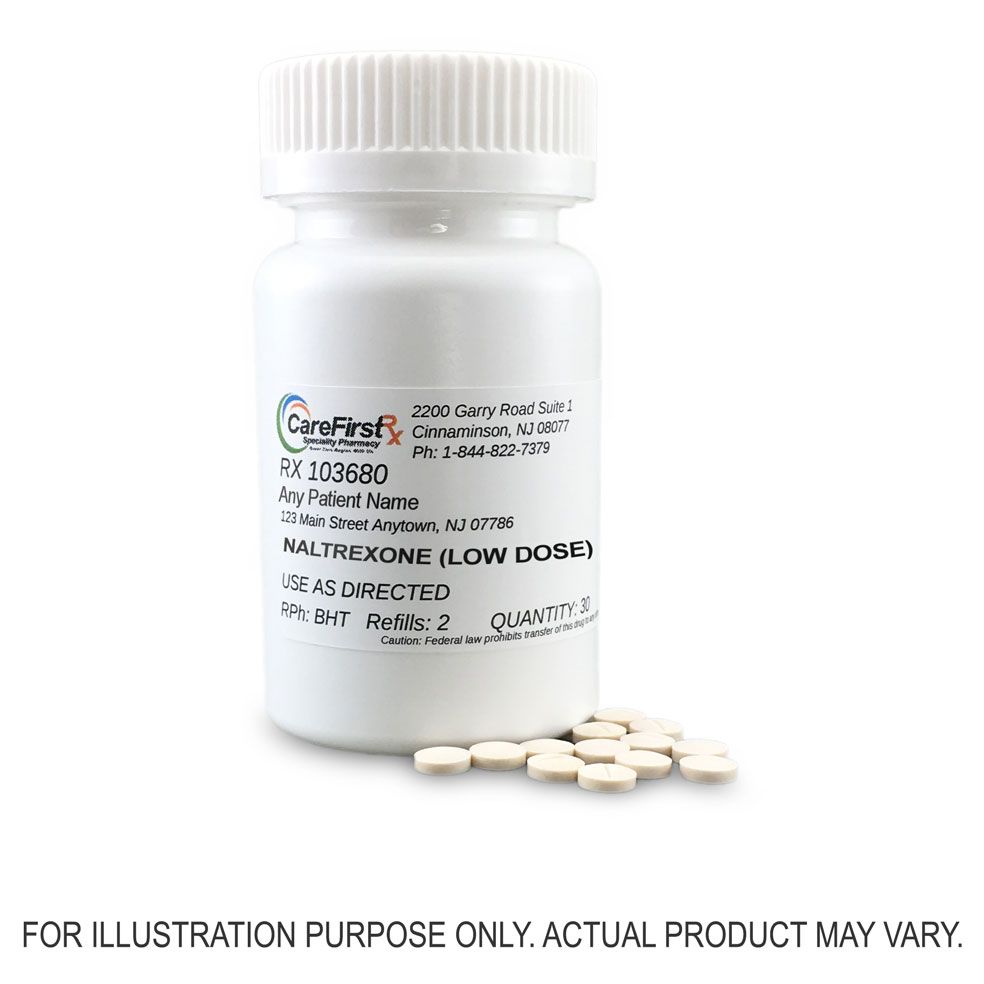
Low Dose Naltrexone
Naltrexone is an FDA-approved opioid antagonist. At low doses (0.5mg–6mg), it is prescribed off-label and has been studied for potential analgesic and anti-inflammatory effects not observed at higher doses. Available with a valid prescription.
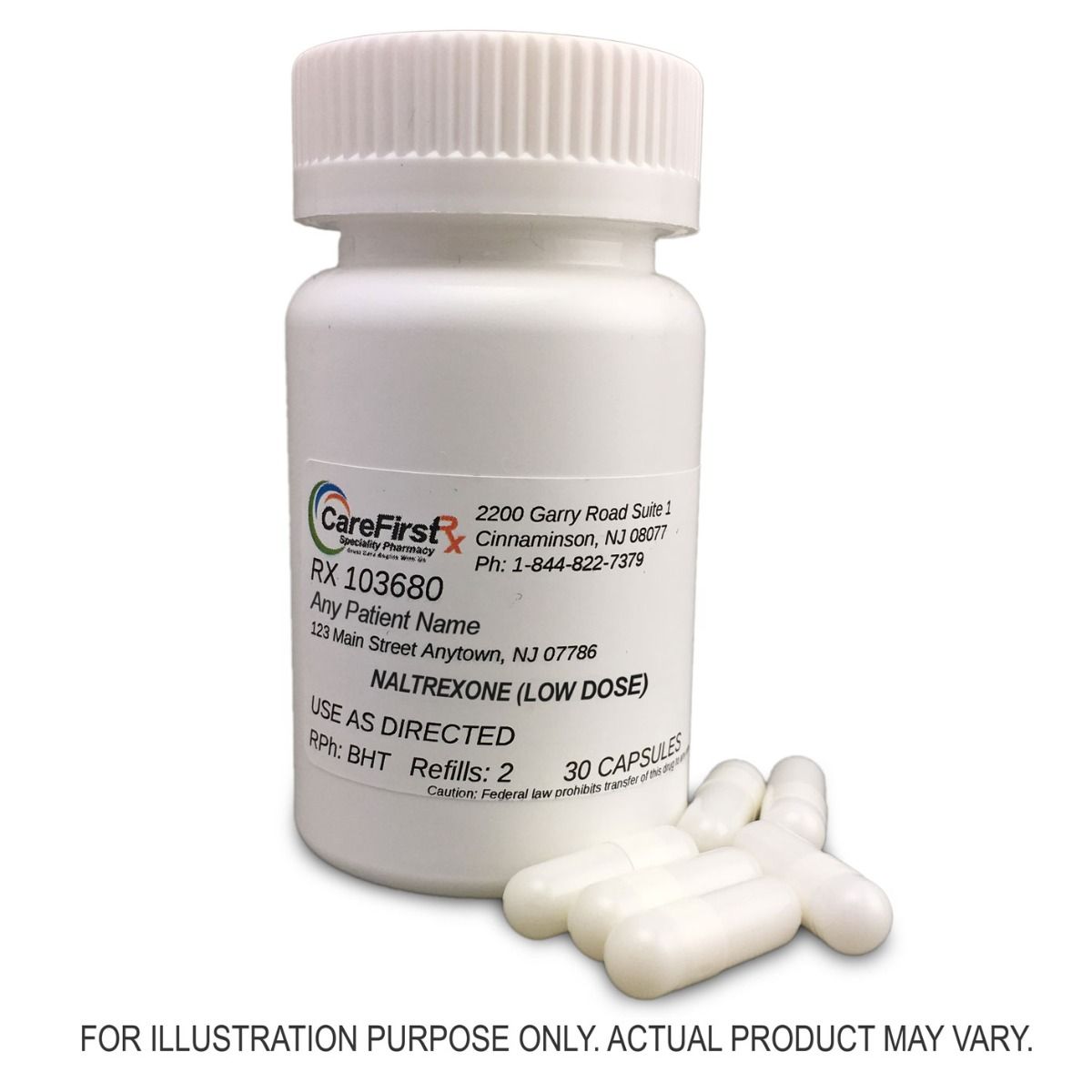
Naltrexone (Low Dose) Capsules Compounded
Naltrexone is an FDA-approved opioid antagonist. At low doses (0.5mg–6mg), it is prescribed off-label and has been studied for potential analgesic and anti-inflammatory effects not observed at higher doses. Available with a valid prescription.
Naltrexone (Low Dose) Sublingual Tablets Compounded
Naltrexone is an FDA-approved opioid antagonist. At low doses (0.5mg–6mg), it is prescribed off-label and has been studied for potential analgesic and anti-inflammatory effects not observed at higher doses. Available with a valid prescription.
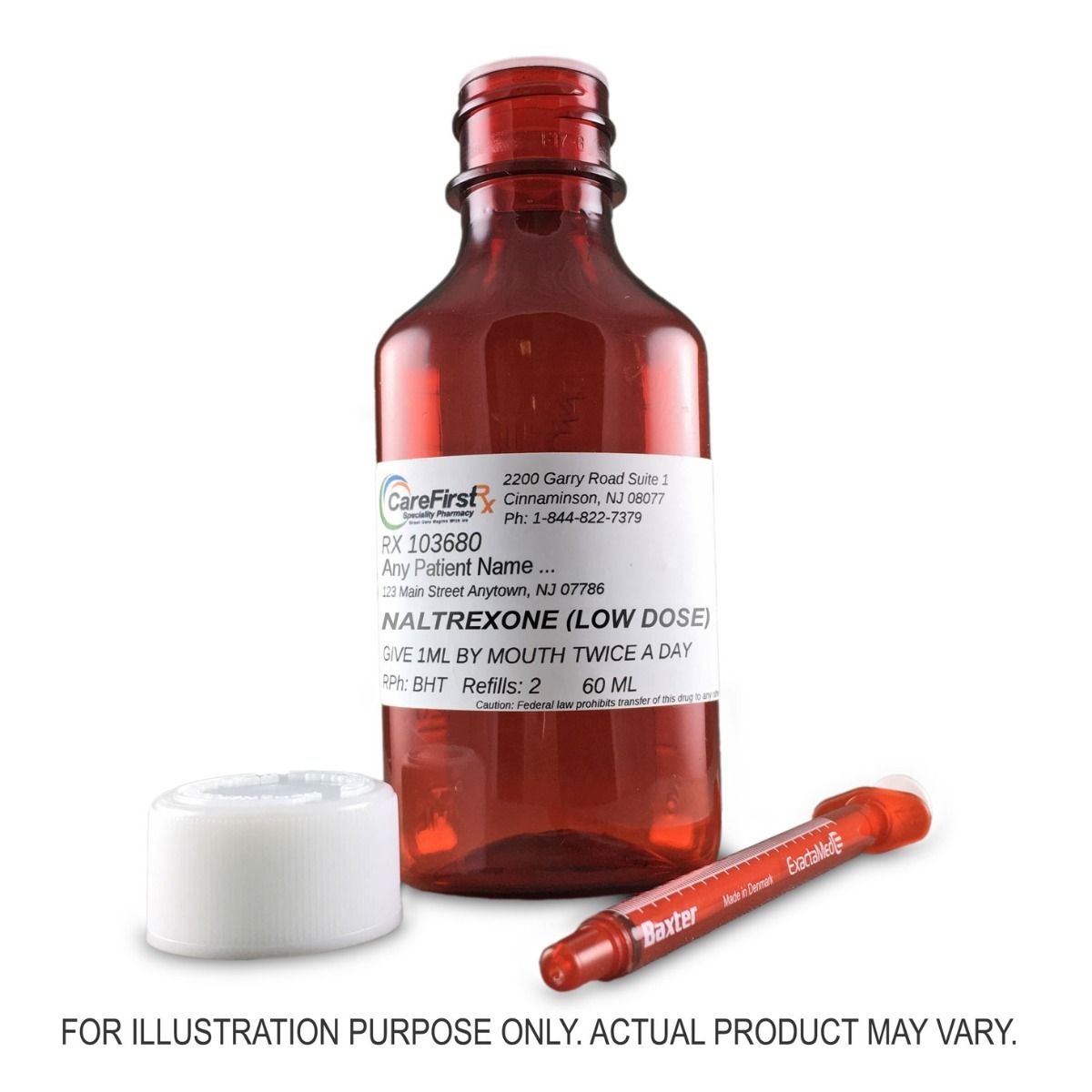
Naltrexone (Low Dose) Suspension Compounded
Naltrexone is an FDA-approved opioid antagonist. At low doses (0.5mg–6mg), it is prescribed off-label and has been studied for potential analgesic and anti-inflammatory effects not observed at higher doses. Available with a valid prescription.
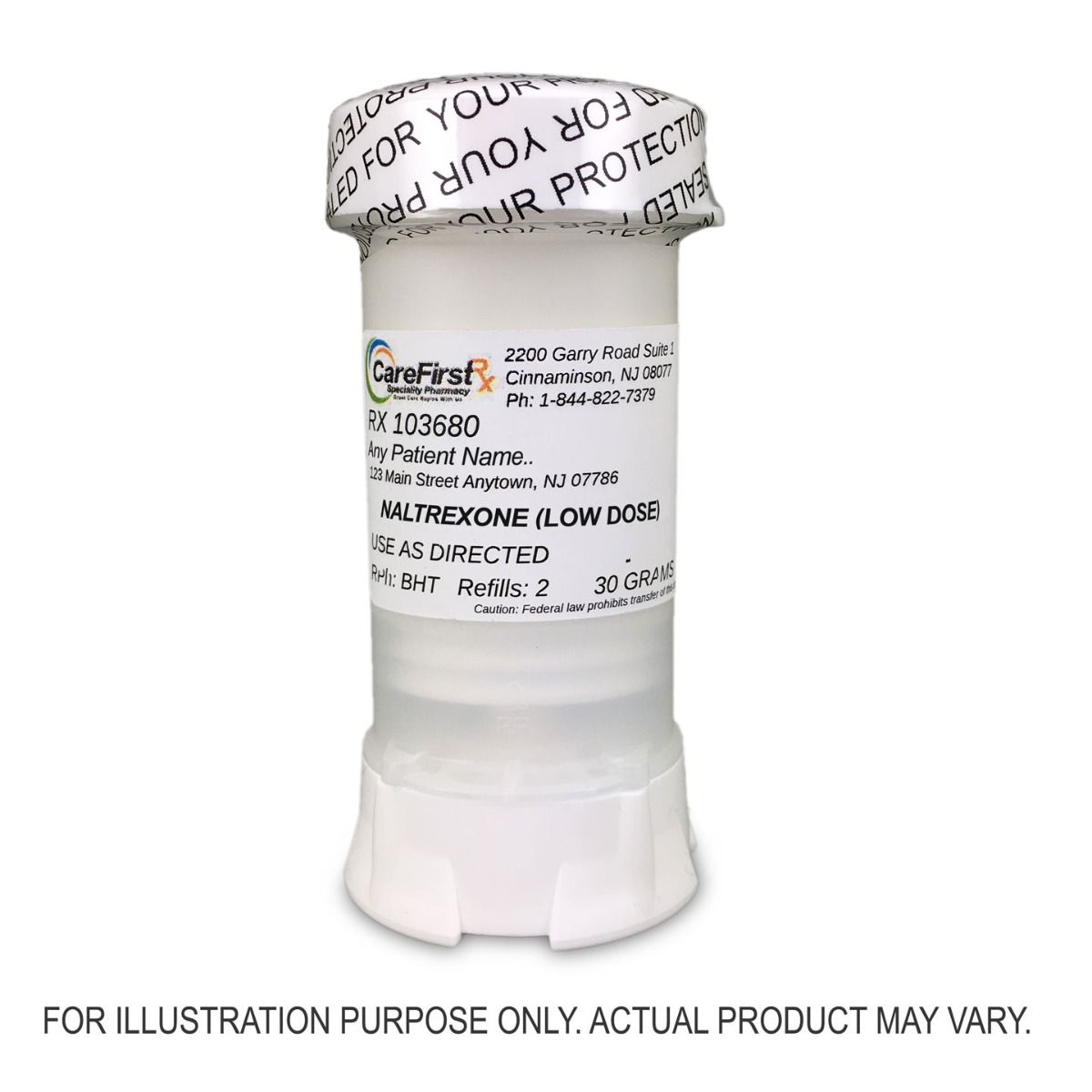
Naltrexone (Low Dose) Topical Cream Compounded
Naltrexone is an FDA-approved opioid antagonist. At low doses (0.5mg–6mg), it is prescribed off-label and has been studied for potential analgesic and anti-inflammatory effects not observed at higher doses. Available with a valid prescription.