Human Medicine

Low Dose Naltrexone (LDN)

Naltrexone is an FDA-approved opioid antagonist, used at 50mg daily for opioid use disorder and at 380mg (as an injection) for alcohol use disorder. “Low dose naltrexone” refers to doses far below that — typically 0.5mg to 4.5mg — an off-label use with no FDA-approved indication. At these low doses, researchers have observed different pharmacological effects than at the approved dose, and interest in LDN has grown across pain management, rheumatology, gastroenterology, and integrative medicine.

Immediate releaseDosing flexibilityFewer ingredients
Vincent Meo, RPhMedically reviewed by Vincent Meo, RPhPharmacist · Last reviewed October 2, 2026
Home > Human Medicine > Low Dose Naltrexone
Price Comparison

Skip the Subscription. Pay Once, Done.

Some LDN subscription services lock you into recurring monthly billing that renews automatically. CareFirst Specialty Pharmacy charges one flat price for a full 90-day supply — no auto-renewal, no surprise charges.

Typical Subscription Model

$25/mo

Billed monthly, auto-renews

  • 3-month plan$75
  • 6-month plan$150
  • Recurring charges continue until you remember to cancel
Best Value

CareFirst Specialty Pharmacy

$51.95/ 90-day supply

Flat price per fill, refill only when you need it

  • No monthly billing
  • No auto-renewal to track or cancel
  • Compounded by an accredited pharmacy

A 90-day supply is $23.05 less than the equivalent subscription cost, and over 6 months (two 90-day fills) you'd pay $103.90 instead of $150 — a savings of $46.10, with no recurring commitment.

The LDN Q&A webinar with CareFirst Specialty Pharmacy pharmacists Michael Vuong, Charles Glatz, and Vincent MeoRecording Available
Free for 7 Days · Ends October 8, 2026

Missed the LDN Q&A? Watch the Recording Free

Our pharmacists Michael Vuong, RPh; Charles Glatz, B.S.Pharm., CCP; and Vincent Meo, RPh answered LDN questions from patients and medical professionals live with the LDN Research Trust. The recording is normally $20 — use our code at checkout and it's free.

Your checkout code

  1. 1Open the recording on the LDN Research Trust store
  2. 2Add it to your cart and enter the code at checkout
  3. 3Watch the full Q&A on demand
Watch the Recording
Low Dose Naltrexone banner
LDN Research Trust 2026 MemberPCAB-Accredited Compounding Pharmacy

Available only through compounding.

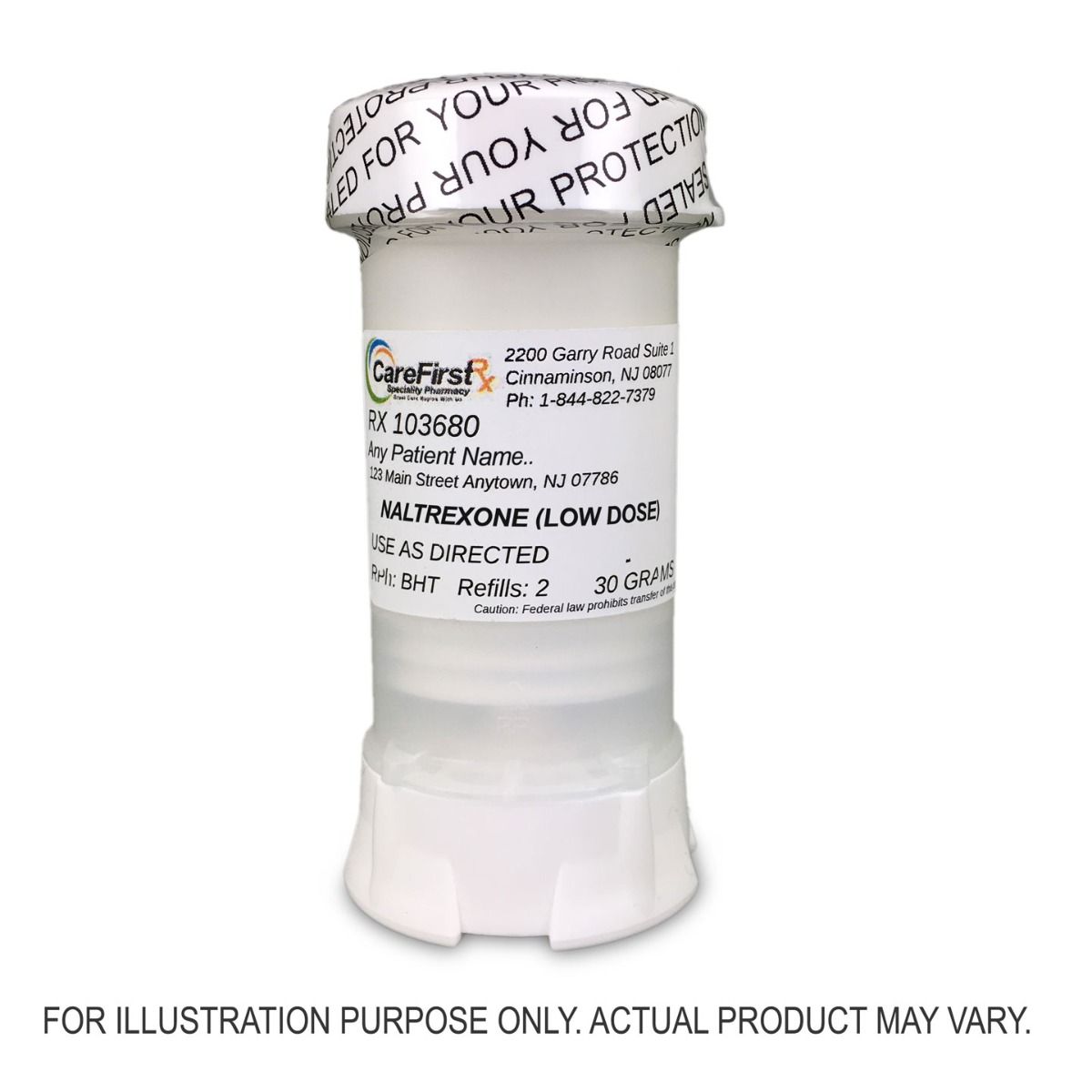
Because no commercial manufacturer produces naltrexone at these low strengths, LDN is available only through compounding. CareFirst Specialty Pharmacy is a PCAB-accredited compounding pharmacy and an LDN Research Trust member, preparing patient-specific LDN in the strength and dosage form your prescriber orders — tablets, capsules, sublingual tablets, oral suspension, or topical cream.

LDN is prescribed off-label. It is not FDA-approved for any of the conditions discussed on this page. All compounded LDN requires a valid prescription, and whether it’s appropriate for you is a decision for you and your prescriber.

Immediate releaseDosing flexibilityFewer ingredients

The LDN Pharmacy Prescribers Choose

  • PCAB Accredited (ACHC), .Pharmacy verified, PCCA and IACP member.
  • LDN Research Trust member — see our listing.
  • Independent lab testing and stringent quality control at our Mount Laurel, NJ facility.
  • Multiple strengths and dosage forms ready to ship, licensed in 50+ states.
  • Pharmacist consultation — our team can discuss your medication therapy, dosage forms and filler options with patients and providers.

How Low Dose Naltrexone Works

Naltrexone blocks opioid receptors. At the 50mg dose used for addiction treatment, that blockade is sustained and full. At low doses, researchers have proposed a different mechanism: a brief, partial blockade — often described as occurring for a few hours after a bedtime dose — that some researchers hypothesize triggers a rebound increase in the body’s own endogenous opioids (endorphins). Separately, naltrexone at low concentrations has been studied for effects on toll-like receptor 4 (TLR4) signaling in glial cells, a pathway implicated in neuroinflammation and central sensitization, as well as in other cells such as mast cells to modulate immune response.

These are proposed mechanisms under active study, not settled science. The exact mechanism of any benefit patients report is still being researched, and mechanism plausibility is not the same as proven clinical benefit.


What the Evidence Shows, By Condition

LDN has no FDA-approved indication. Everything below describes off-label research interest and published evidence — not treatment recommendations. Evidence quality varies significantly by condition, and even where positive results have been reported, most studies are small, and larger confirmatory trials are often lacking or, in at least one case, have not confirmed earlier findings.

Conditions with randomized controlled trial data

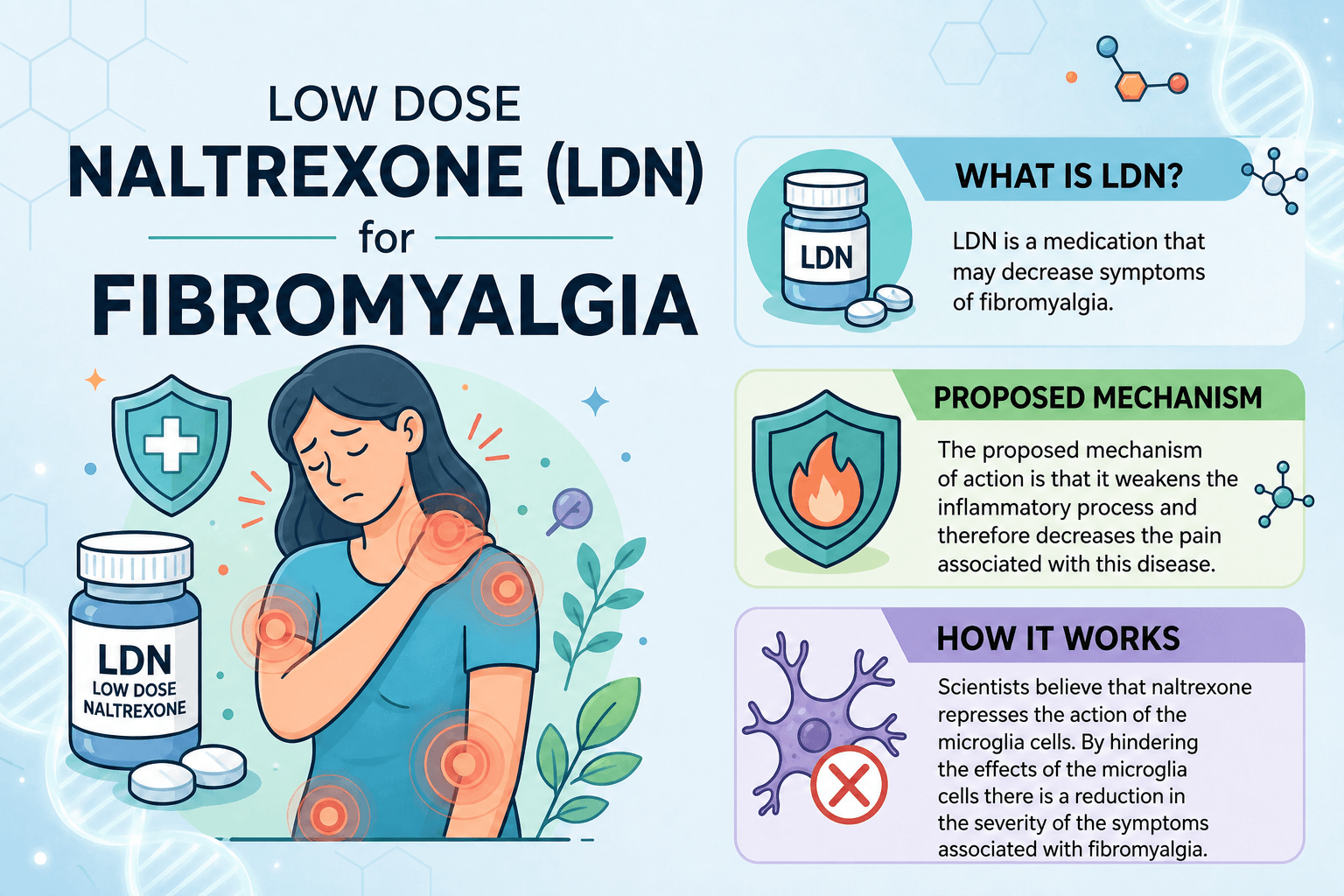
  • Fibromyalgia — the most-studied use of LDN. Small randomized crossover trials (e.g., Younger et al., 2013) reported reduced pain scores versus placebo, and it remains the condition with the strongest published evidence for LDN. However, a larger 2024 randomized controlled trial published in Lancet Rheumatology did not confirm a benefit on its primary outcome, underscoring that results have been mixed and larger trials are still needed. Read our pharmacists’ summary: LDN for Fibromyalgia.
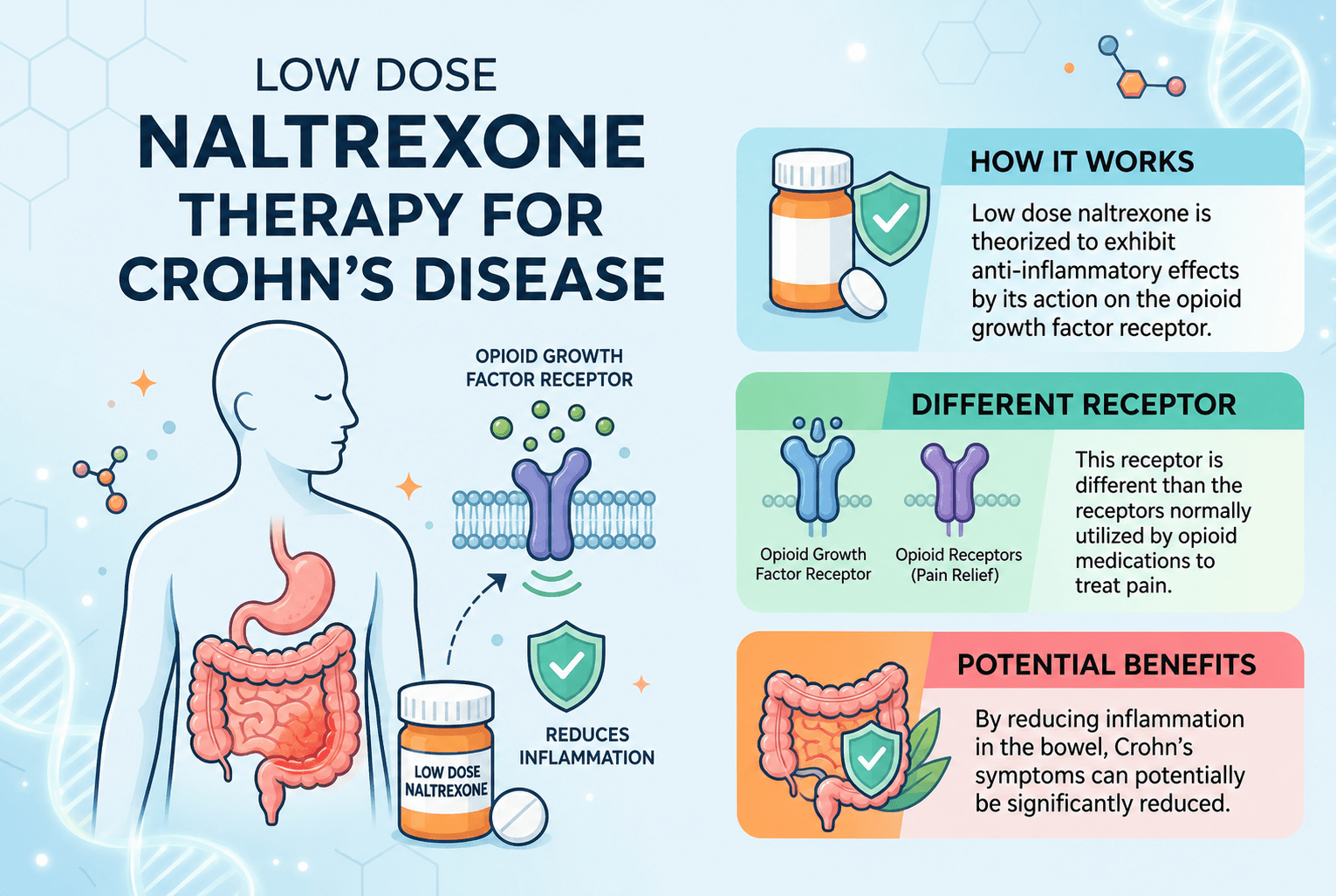
  • Crohn’s disease — small open-label and pilot studies have reported symptom improvement in some patients with moderate disease activity; data remain limited and controlled trial evidence is sparse. Read: LDN Therapy for Crohn’s Disease.

Conditions studied primarily in small trials, case series, or case reports

  • Multiple sclerosis — studied in small trials, primarily for quality-of-life and pain-related outcomes rather than disease modification; LDN is not a disease-modifying therapy for MS and is not a substitute for one.
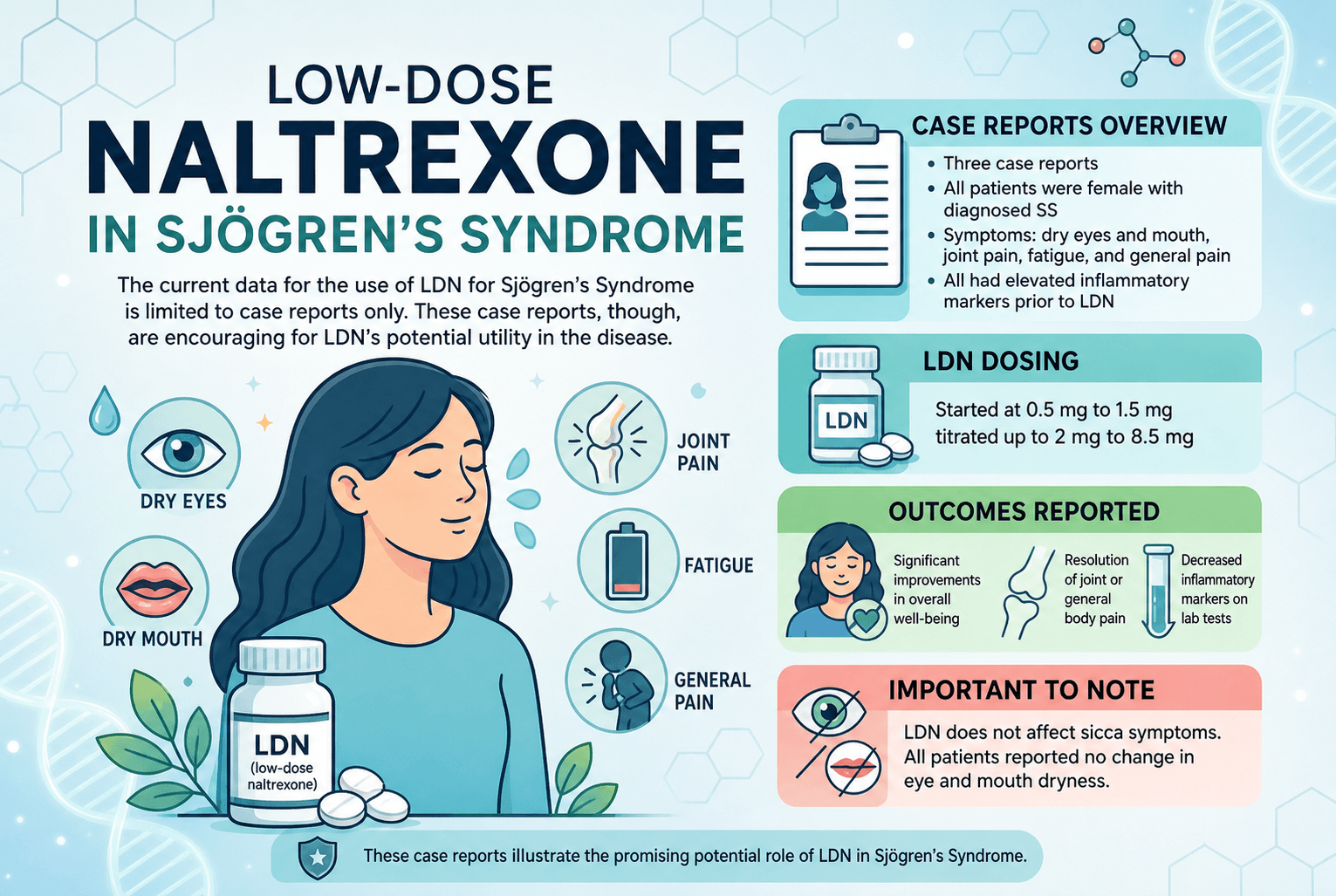
  • Sjögren’s syndrome — evidence is currently limited to a small number of case reports. Read: LDN in Sjögren’s Syndrome.
  • Complex regional pain syndrome (CRPS) and other chronic pain conditions — small case series and observational reports.
  • Ulcerative colitis and other inflammatory bowel disease — limited pilot data, generally smaller and less studied than the Crohn’s literature.

Conditions with preliminary, mixed, or largely theoretical interest

  • Rheumatoid arthritis, psoriasis, ankylosing spondylitis, lupus, scleroderma, sarcoidosis, endometriosis — mechanistic rationale (anti-inflammatory, immunomodulatory effects proposed at low doses) has generated clinical interest and some prescribers use LDN off-label alongside standard therapies, but published clinical trial evidence specific to these conditions is limited.
  • Chronic fatigue syndrome (ME/CFS) — small studies and patient-reported outcome data; larger trials are limited.
  • Hashimoto’s thyroiditis and Graves’ disease — LDN is used off-label by some prescribers managing autoimmune thyroid conditions. Because LDN may affect autoimmune antibody levels, prescribers who use it in thyroid patients typically monitor thyroid function closely, as thyroid replacement dosing needs may change. This should be managed by your prescriber, not adjusted independently.

Conditions Not Listed on This Page

Some conditions circulate in LDN patient communities — including ALS, Alzheimer’s disease, Parkinson’s disease, autism, and use as an “anti-aging” agent — where published clinical evidence in humans is minimal to nonexistent, largely preclinical, or drawn from isolated case reports. We’ve removed these from the page rather than imply a level of evidence that doesn’t exist. If your prescriber is considering LDN for one of these situations based on your specific case, that conversation belongs with them or call your compounding pharmacist to go over proposed guidelines — not with marketing copy.

LDN Is Used Alongside, Not Instead Of, Standard Therapy

LDN is most often prescribed as an adjunct — alongside the conventional treatments a patient’s condition already calls for — not as a replacement for disease-modifying therapy, immunosuppressants, or other standard-of-care treatment. One exception: naltrexone blocks opioid receptors, so it cannot be used together with opioid pain medications. Patients taking opioids or in opioid use disorder treatment must have those medications fully out of their system, under medical supervision, before starting naltrexone at any dose — otherwise it can precipitate acute withdrawal.

Dosage Forms We Compound

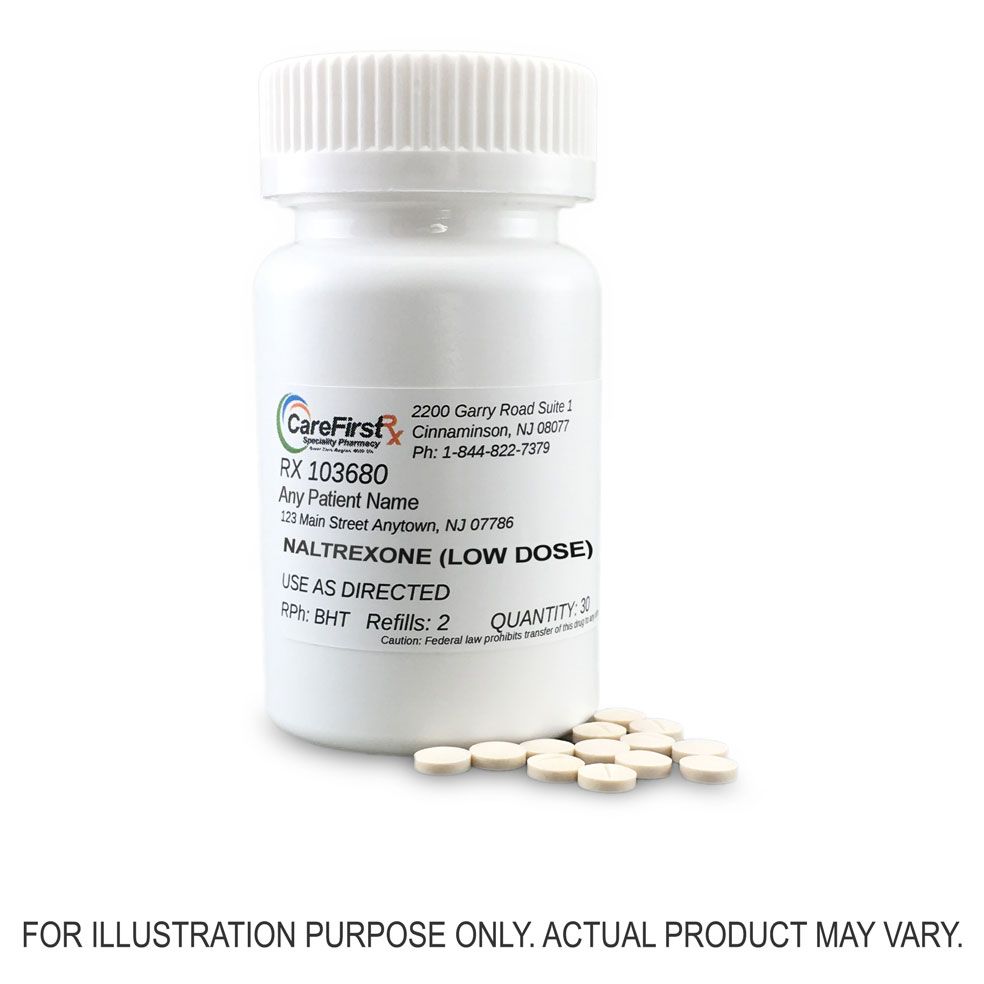
  • Immediate-release tablets (0.5mg–6mg) — LDN must be compounded as immediate-release; sustained-release formulations can blunt the mechanism researchers describe for low-dose naltrexone.
  • Sublingual tablets (3mg, 4.5mg), oral sublingual drops and sublingual troches (various concentrations) — for patients who prefer not to swallow tablets or who need fine dose titration.
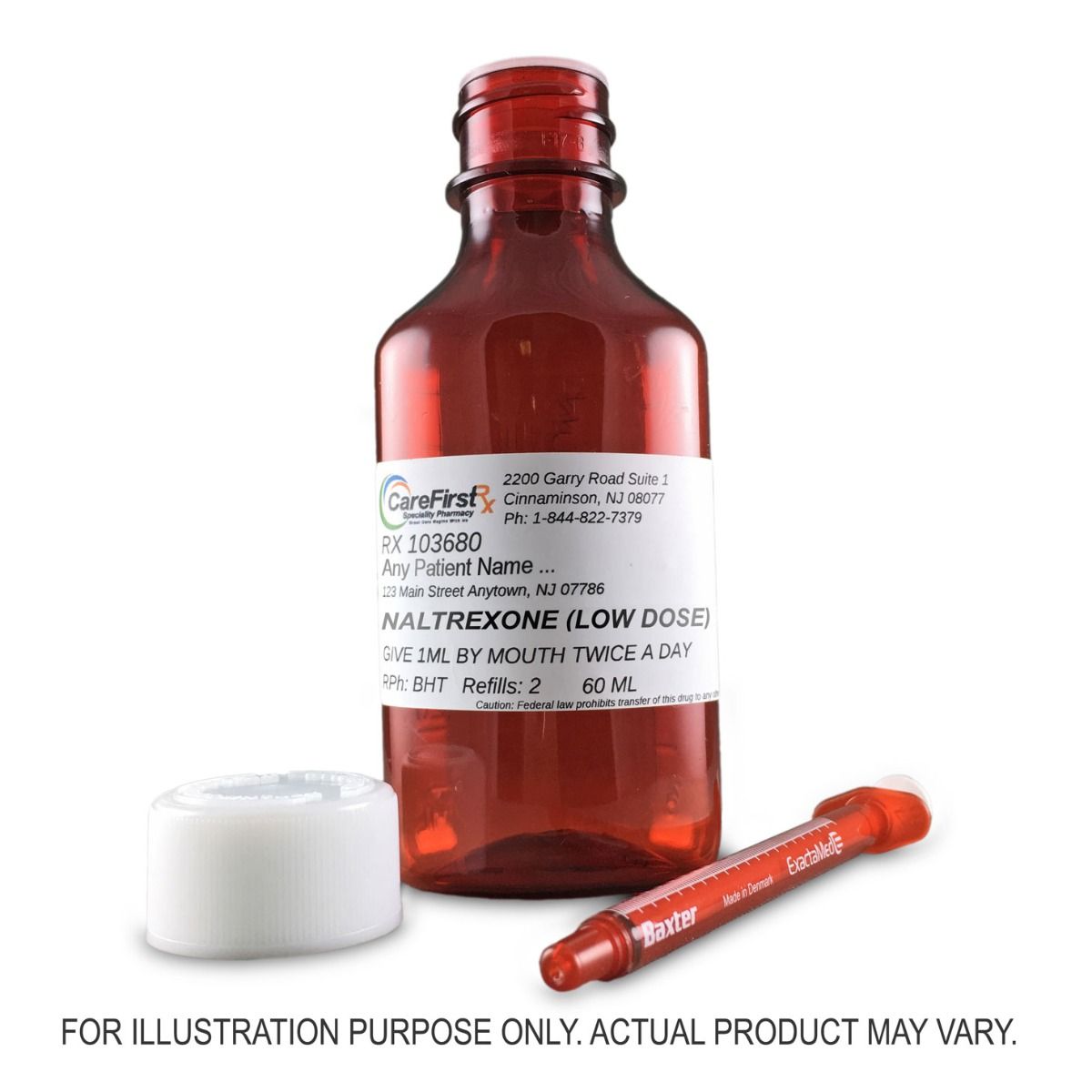
  • Oral suspension (90-day beyond-use date) — for precise titration, pediatric-adjacent dosing, or patients who can’t swallow solids.
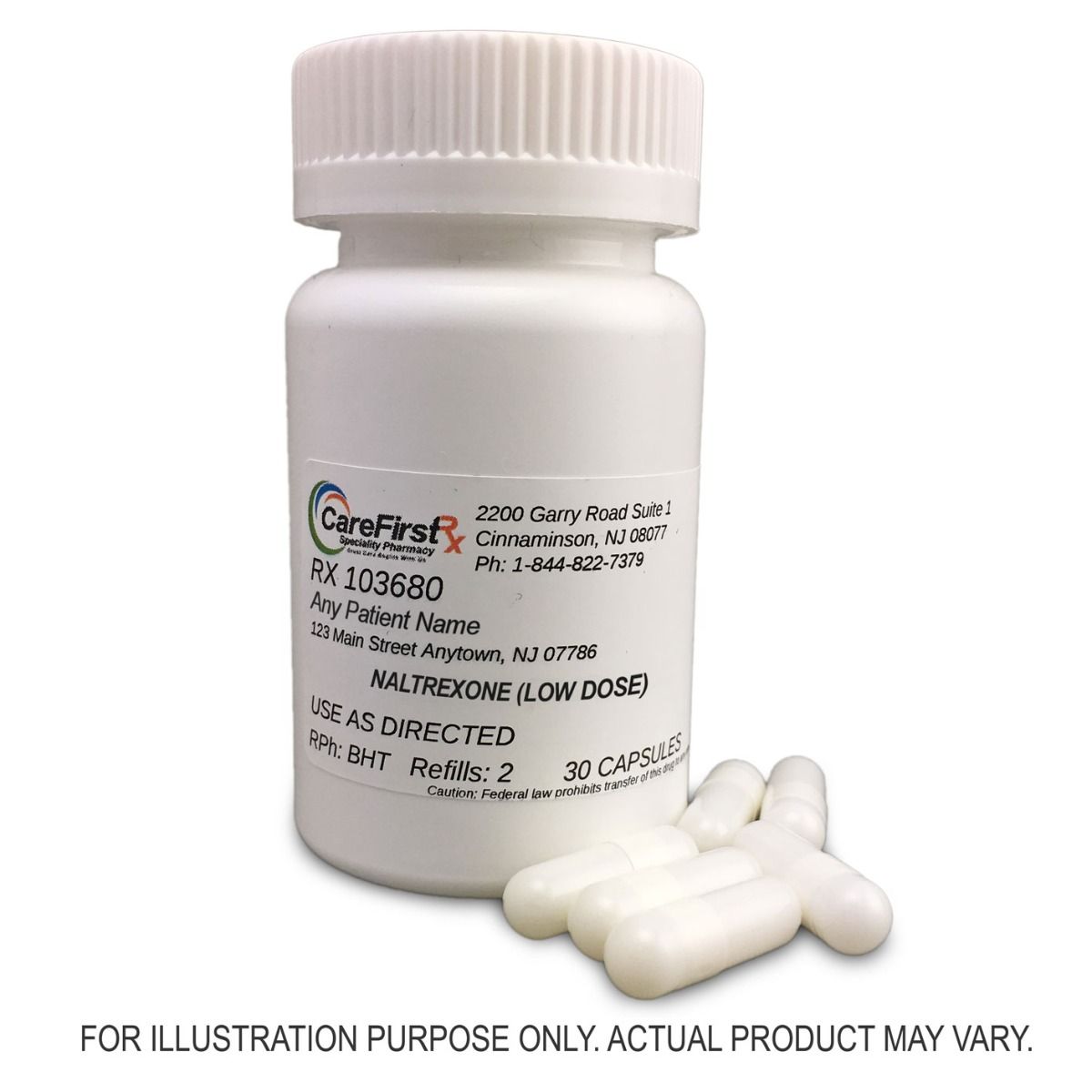
  • Veggie/Gelatin capsules — various filler options such as Ascorbic Acid, Magnesium Glycinate, Sodium Bicarbonate, Acidophilus and others.
  • Topical cream (various concentrations) — dosage form typically used for patients with GI side effects with oral formulation.
  • Ultra low dose naltrexone (ULDN) — doses in the microgram range, used off-label in specific prescriber-directed protocols, most often in combination with opioid pain medication to reduce opioid-related side effects and tolerance under a prescriber’s direction — the one context where naltrexone and opioids are combined intentionally.

Tablets are compounded with fewer ingredients than capsules and without calcium, gluten, lactose, corn, dairy, soy, or dyes.

This Medication Requires a Prescription

To process your order we will require a prescription from you or your prescriber. We will only compound and dispense upon receipt of a valid patient specific prescription.

Need help?

Our team can coordinate with your provider to get what you need quickly.

Side Effects and Precautions

LDN’s published safety data generally describe it as well-tolerated in the studies conducted to date, with the most commonly reported effects being vivid dreams and disrupted sleep, particularly when starting therapy — these often lessen over the first one to two weeks as the body adjusts. As with any medication, individual reactions vary, and long-term, large-scale safety data at these doses is more limited than for widely used, FDA-approved therapies.

Precautions:

  • Opioid interaction. LDN blocks opioid receptors. Taken with opioid pain medications, it can cause acute withdrawal or block the pain medication’s effect. Naltrexone should only be started after opioids are confirmed out of the patient’s system, and only under medical supervision — patients in opioid use disorder treatment or on chronic opioid therapy need their prescriber’s guidance on timing.
  • Thyroid monitoring. Prescribers treating autoimmune thyroid conditions (Hashimoto’s, Graves’) with LDN typically monitor thyroid labs closely, since thyroid medication dosing needs can shift.
  • Not a substitute for standard care. LDN should be discussed with, and monitored by, the prescriber managing the underlying condition — not started or stopped independently.

Always tell every prescriber and pharmacist about all medications you take, including LDN, before starting anything new.

Available Filler Options

Depending on your prescription and sensitivities, LDN can be compounded with fillers including:

  • Microcrystalline Cellulose (MCC)
  • Sucrose USP
  • Mannitol USP
  • Acidophilus
  • Vitamin C
  • Lactose
  • Ginger Root
  • Turmeric Powder
  • Sodium Bicarbonate
  • Magnesium Glycinate
  • Magnesium Citrate

Your prescriber and our pharmacists can discuss which filler fits your sensitivities and dosage form.

LDN Informational Video

Hear more about how LDN is compounded and how our team supports you through prescription and refills.

Patient focusedAccredited facilityExpert support

Available Low Dose Naltrexone Products

Explore strengths, fillers, and dosage forms tailored to your prescription.

HumanLow Dose Naltrexone
Low Dose Naltrexone

Low Dose Naltrexone

Naltrexone is an FDA-approved opioid antagonist. At low doses (0.5mg–6mg), it is prescribed off-label and has been studied for potential analgesic and anti-inflammatory effects not observed at higher doses. Available with a valid prescription.

From$34.99
View Details
HumanLow Dose Naltrexone
Naltrexone (Low Dose) Capsules Compounded

Naltrexone (Low Dose) Capsules Compounded

Naltrexone is an FDA-approved opioid antagonist. At low doses (0.5mg–6mg), it is prescribed off-label and has been studied for potential analgesic and anti-inflammatory effects not observed at higher doses. Available with a valid prescription.

From$66.95
View Details
HumanLow Dose Naltrexone
Naltrexone (Low Dose) Sublingual Tablets Compounded

Naltrexone (Low Dose) Sublingual Tablets Compounded

Naltrexone is an FDA-approved opioid antagonist. At low doses (0.5mg–6mg), it is prescribed off-label and has been studied for potential analgesic and anti-inflammatory effects not observed at higher doses. Available with a valid prescription.

From$42.92
View Details
HumanLow Dose Naltrexone
Naltrexone (Low Dose) Suspension Compounded

Naltrexone (Low Dose) Suspension Compounded

Naltrexone is an FDA-approved opioid antagonist. At low doses (0.5mg–6mg), it is prescribed off-label and has been studied for potential analgesic and anti-inflammatory effects not observed at higher doses. Available with a valid prescription.

From$39.99
View Details
HumanLow Dose Naltrexone
Naltrexone (Low Dose) Topical Cream Compounded

Naltrexone (Low Dose) Topical Cream Compounded

Naltrexone is an FDA-approved opioid antagonist. At low doses (0.5mg–6mg), it is prescribed off-label and has been studied for potential analgesic and anti-inflammatory effects not observed at higher doses. Available with a valid prescription.

From$51.95
View Details

LDN Articles & Resources

Our pharmacists write about LDN research, dosing, and its off-label use across different conditions. These articles are educational, not treatment recommendations — always discuss whether LDN is appropriate for you with your prescriber.

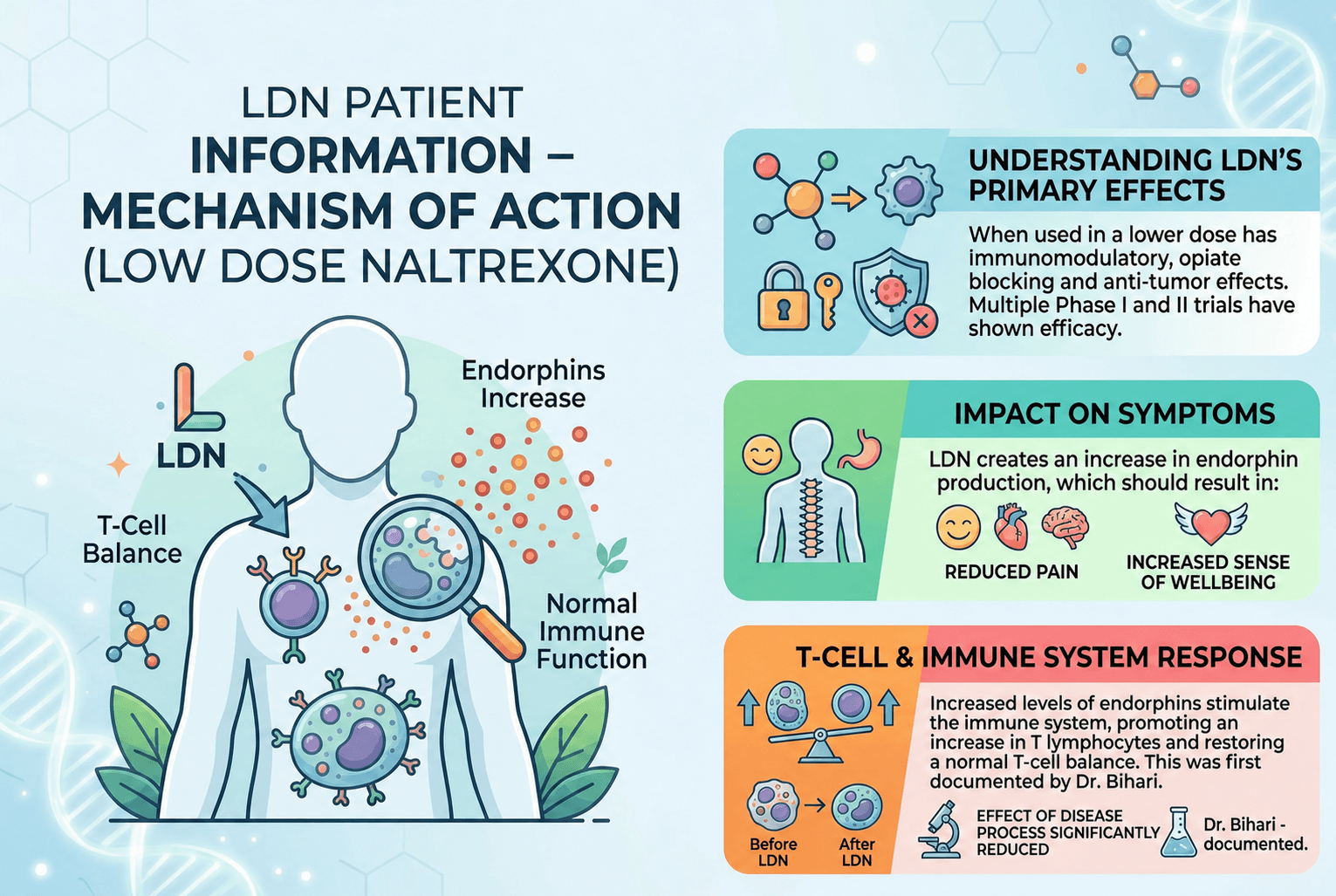
LDN Patient Information

2019-11-11

LDN Patient Information

The LDN Research Trust is a UK registered Charity, founded in 2004, with the primary purpose of promoting research into the unlicensed use of Naltrexone at a low dose, to treat conditions and diseases. Naltrexone at a low dose is referred to as LDN (Low-Dose Naltrexone).

Read More
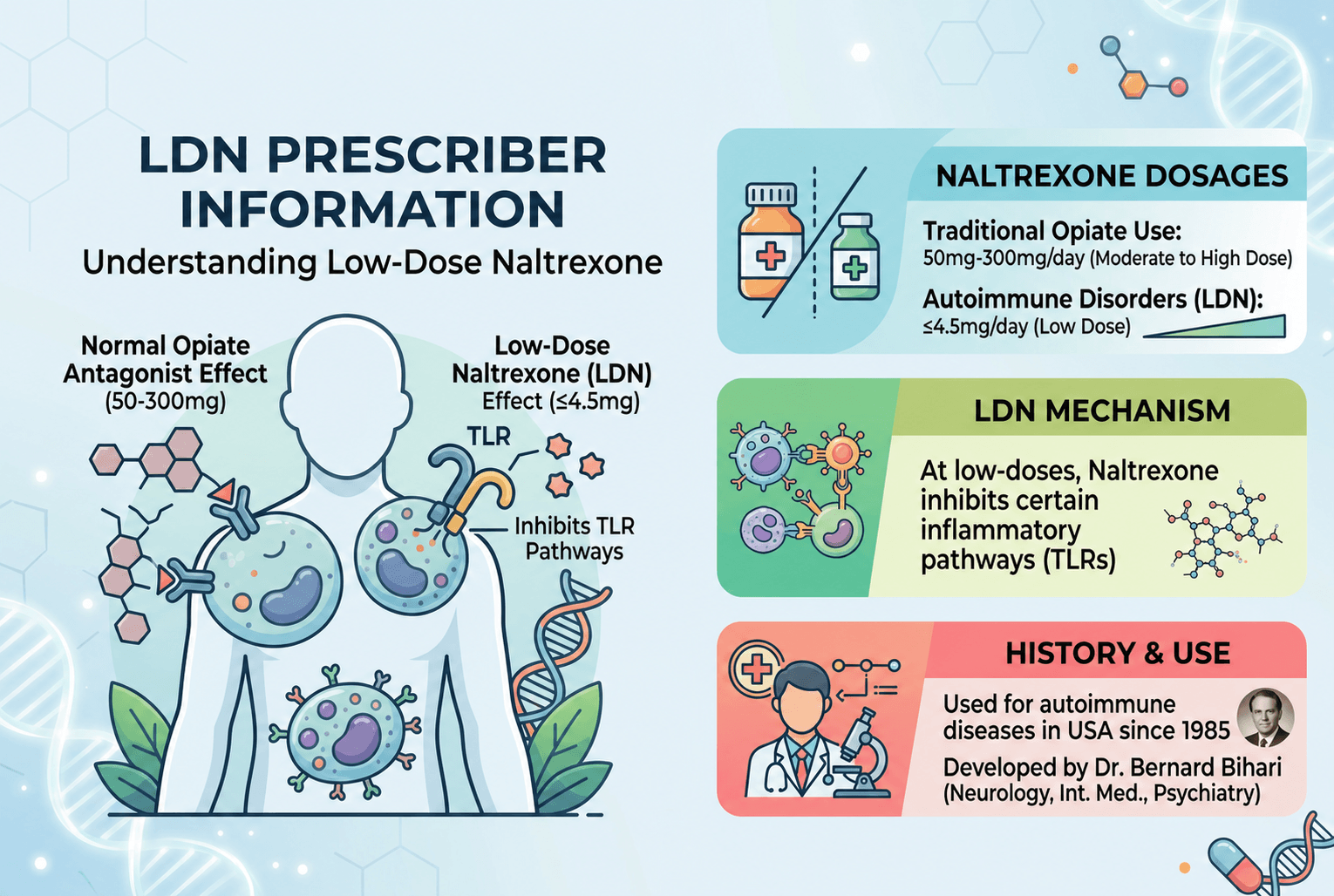
LDN Prescriber Information

2019-11-04

LDN Prescriber Information

Naltrexone is often classified as an opiate antagonist. However, at low-doses, Naltrexone acts to inhibit certain inflammatory pathways, which involve Toll-Like Receptors (TLRs).

Read More
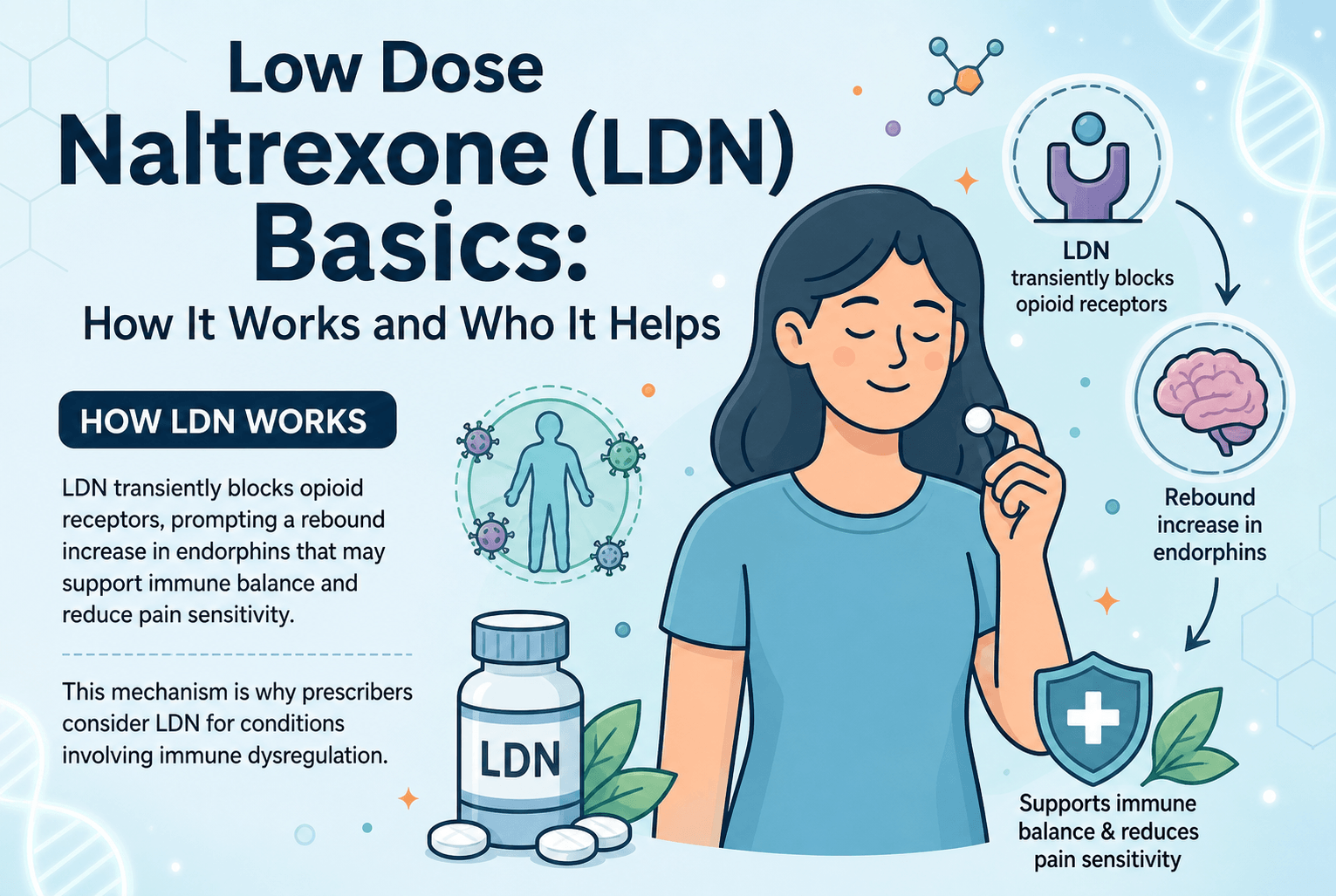
Low Dose Naltrexone (LDN) Basics: How It Works and Who It Helps

2024-05-10

Low Dose Naltrexone (LDN) Basics: How It Works and Who It Helps

Explore how Low Dose Naltrexone (LDN) is compounded, why prescribers choose it, and what patients should know before starting therapy.

Read More
Low Dose Naltrexone (LDN) for Fibromyalgia

2018-07-16

Low Dose Naltrexone (LDN) for Fibromyalgia

When you hear the word naltrexone your first instinct is most likely to think of this medication as something that is used to treat opioid or alcohol dependence. This article will explore why low dose naltrexone (LDN) may be not be such a far-fetched idea for treating fibromyalgia.

Read More
Low Dose Naltrexone (LDN) for Reproductive Health: What the Research Shows

2026-09-09

Low Dose Naltrexone (LDN) for Reproductive Health: What the Research Shows

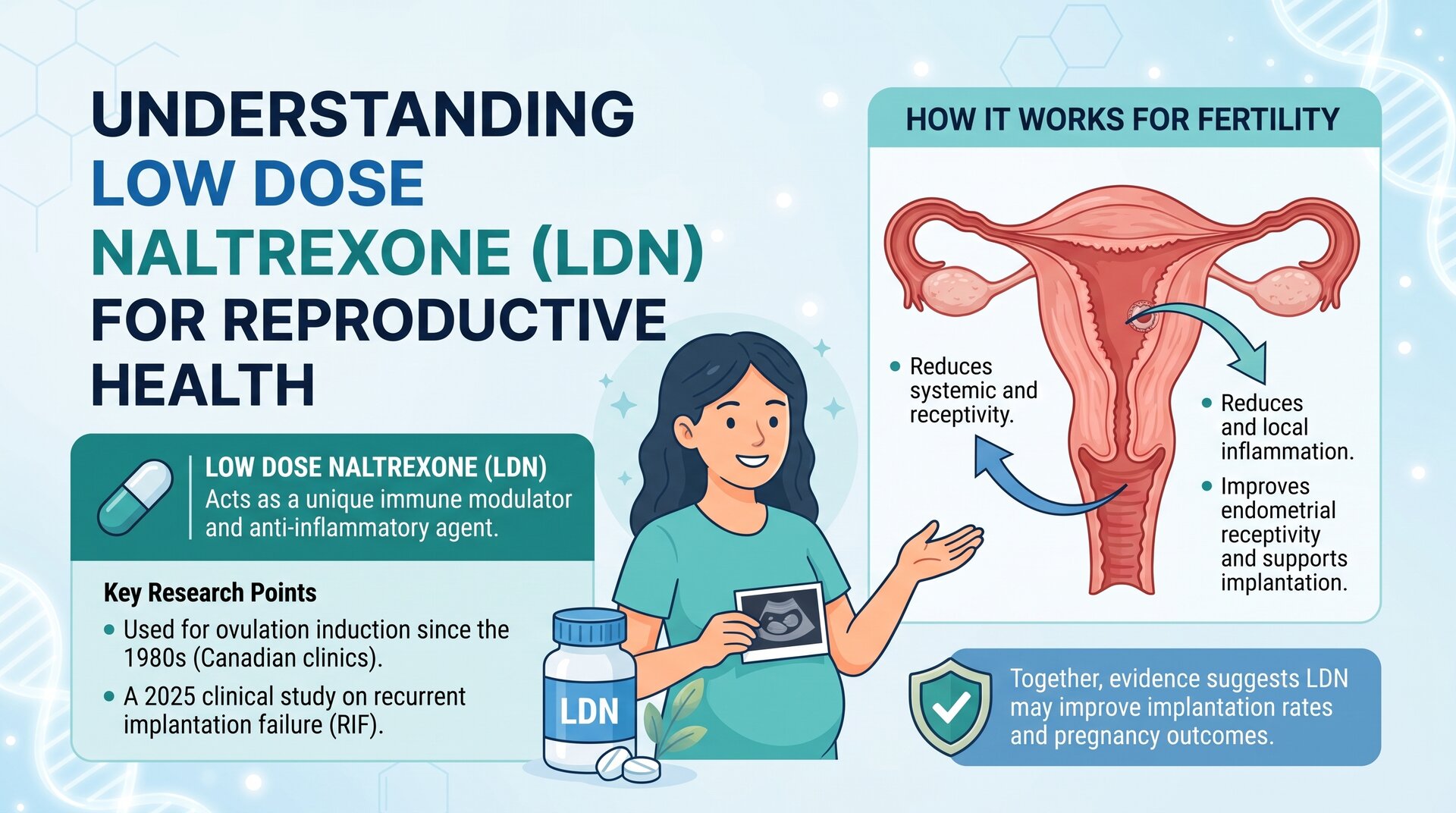
LDN is best known as an off-label immunomodulator, but emerging research points to a role in reproductive health — from ovulation induction to a 2025 clinical study on recurrent implantation failure showing improved endometrial thickness, progesterone levels, and pregnancy rates.

Read More
Low-Dose Naltrexone in Sjogren’s Syndrome

2021-08-12

Low-Dose Naltrexone in Sjogren’s Syndrome

The current data for the use of LDN for Sjogren’s Syndrome is limited to case reports only. These case reports, though, are encouraging for LDN’s potential utility in the disease. There are three case reports that detail LDN use in SS, in which all patients are female and have diagnosed SS with symptoms of dry eyes and mouth, joint pain, fatigue, and general pain.

Read More
Low Dose Naltrexone Therapy for Crohn’s Disease

2018-07-17

Low Dose Naltrexone Therapy for Crohn’s Disease

Crohn’s Disease is a debilitating form of chronic inflammatory bowel disease (IBD). It is estimated that 3 million people in the US alone have a form of IBD. There is currently no cure for Crohn’s which is usually characterized by frequent diarrhea, abdominal pain, unexplained weight loss, fatigue, and anemia. Normal therapies include immunosuppressive drugs including steroids, but 80% of patients will need surgical intervention within 20 years of diagnosis.

Read More

Frequently Asked Questions

Do I need a prescription for LDN?+

Yes. LDN requires a valid, patient-specific prescription. We compound and dispense only upon receipt of a prescription from you or your prescriber.

Is LDN FDA-approved?+

No — at any dose. Naltrexone itself is FDA-approved at 50mg (opioid use disorder) and as a 380mg injection (alcohol use disorder). The low doses used for LDN (0.5–4.5mg) have no FDA-approved indication for any condition; LDN is used entirely off-label, and compounded LDN products are not evaluated by the FDA for safety or effectiveness.

Is LDN proven to work?+

Evidence varies significantly by condition. Fibromyalgia has the most clinical trial data, though results have been mixed — a 2024 trial did not confirm benefit on its primary outcome. Most other off-label uses are supported by smaller studies, case series, or case reports rather than large randomized trials. See the evidence breakdown above, and talk to your prescriber about what the research does and doesn’t show for your specific situation.

Can I take LDN with my other medications?+

LDN cannot be taken with opioid pain medications — it blocks their effect and can trigger withdrawal. Beyond that interaction, LDN is often prescribed alongside standard treatments for the underlying condition. Always share your full medication list with your prescriber and pharmacist.

What side effects should I expect?+

The most commonly reported effects are vivid dreams and disrupted sleep, especially in the first one to two weeks, which tend to improve as the body adjusts. Individual experiences vary — discuss what to expect with your prescriber or pharmacist.

Why does LDN have to be compounded?+

No commercial manufacturer produces naltrexone at these low strengths — the smallest commercial tablet is 50mg. Compounding pharmacies prepare the low-dose immediate-release tablets, capsules, or liquids that off-label LDN prescribing requires.

How do I get started?+

Have your prescriber send your prescription electronically, by fax at 800.786.1405, or via our prescriber authorization form. See our prescriber page or how to order.

Low dose naltrexone (LDN) is used off-label. There is no FDA-approved indication for naltrexone at low doses (0.5mg–4.5mg) for any condition. Compounded medications are not FDA-approved, and the FDA has not evaluated the safety or effectiveness of compounded LDN preparations. LDN is dispensed only pursuant to a valid, patient-specific prescription from a licensed prescriber. The evidence supporting LDN’s use varies by condition and is, for most conditions discussed on this page, limited to small studies, case series, or case reports; it should not be understood as proof of effectiveness. This page is for educational purposes only and is not medical advice, and it is not intended to diagnose, treat, cure, or prevent any disease. Do not start, stop, or change any medication, including LDN or opioid medications, without consulting your prescriber.